Navratri Swadhyay 2
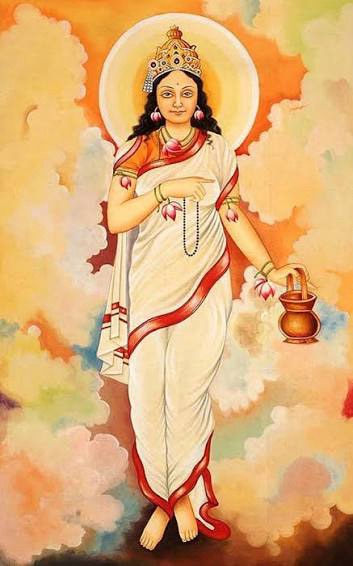
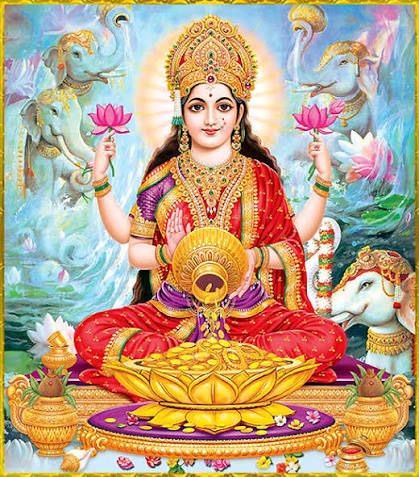
The second Goddess is Brahmacharini. Shakti normally performs penance in all her incarnations to attain Bhagwan Shiva. In this incarnation, mother does the sadhana of Brahmacharya. Restraint of power, along with creation, is also revered in Hindutva. Brahmacharya along with motherhood, is worth being extolled. Restraint is also an excellent virtue like contentment. Dhanalakshmi is the second of the eight Lakshmis. She is the most popular form of Mahalakshmi. This form is worshipped during Diwali. The shower of opulence from one hand is the speciality of this form. It is a common notion prevalent in the society that acquisition of wealth, will solve all the problems. Wealth will provide everything – comforts, prestige, etc. Due to this reason, everyone aspires for wealth and, in its expectation, worships Dhanalakshmi.
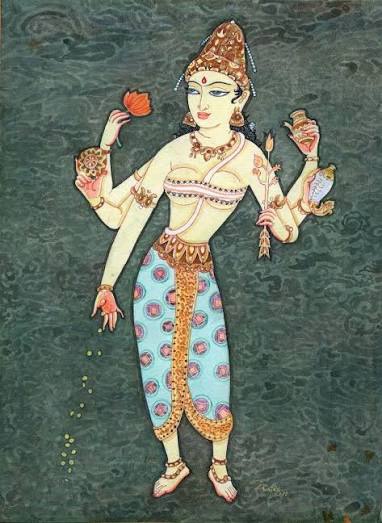
Riches are conceptualised in the form of money. The entire life is spent in earning money. But money is for purchasing power. The real meaning of Dhan in Sanskrit is more profound. The process of addition is taught first of all in mathematics. The symbol of addition + is called ‘plus’ in English and ‘Dhan’ in Hindi. Just as four plus (dhan) five will be nine. Hence, the meaning of Dhan is addition or augmentation. Augmentation constitutes the principal component of prosperity. The development in any nation, even now, is assessed by the growth rate. Dhanalakshmi can also be worshipped in the same way.
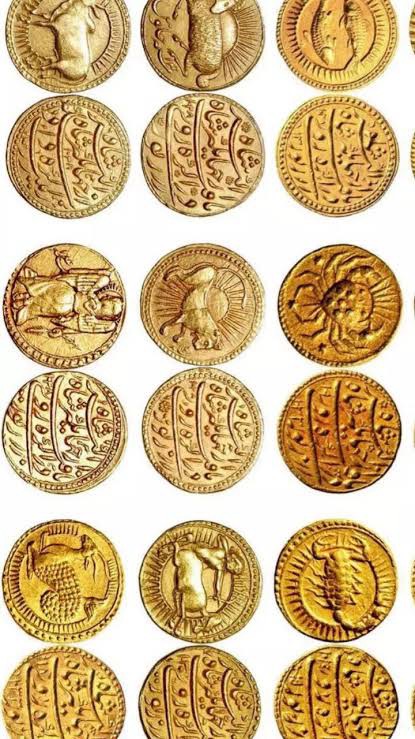
Currency cannot be tantamount to wealth. The shower of gold coins is depicted as the blessing of Dhanalakshmi. This is the most ancient way of representing wealth. Here, the value of the currency was same as the value of the metal used in the coins. Gradually, currency started getting devalued. Copper, bronze and subsequently iron, which was cheaper but plentiful, replaced precious metals like gold and silver. The value printed on the currency diminished in comparison to the real value of coin. This was the beginning of Inflation. The reference to coins of wood and parchment is also found in some places. The paper currency can be regarded as major devaluation.
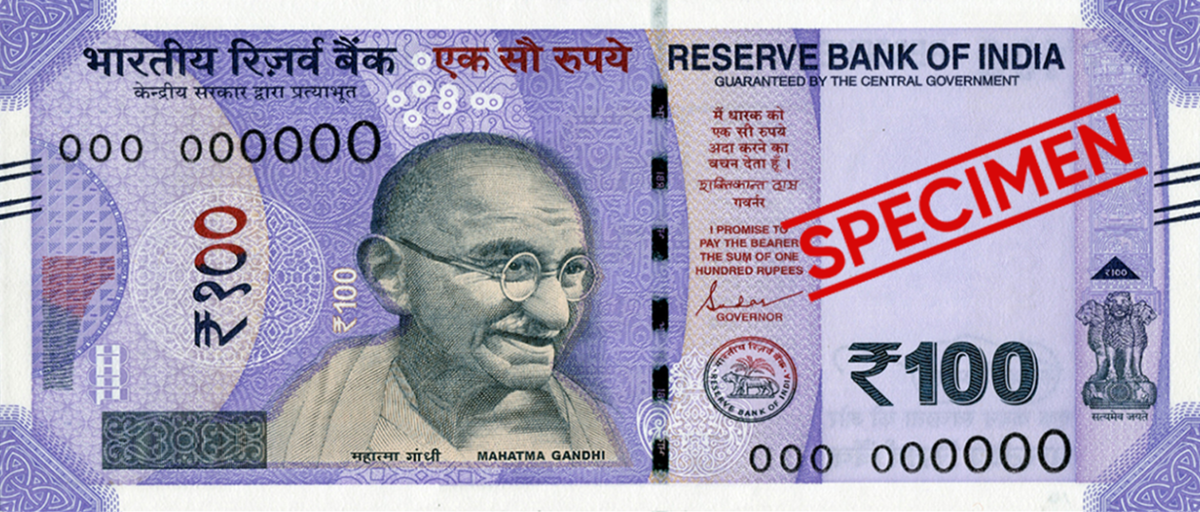
The use of a promissory note as a form of currency was convenient but it changed the context of wealth. Wealth does not augment without addition. A convenient, transferable promissory note which could be transferred to anybody increased the convenience and the purchasing power but the production of the actual wealth depreciated. The rotational use increased the purchasing power of the currency. Every note bears a promise, and the signature of the governor of the Reserve Bank and that determines its value. The actual value of that currency note is several times less than the value inscribed on it. On the other hand, a hundred rupee note transferred from one person to another makes it possible to increase its purchasing power several fold. This rotation creates a false impression of wealth. Initially, gold reserve was the basis of printing the currency notes. The amount of currency notes in circulation was directly proportional to the amount of gold reserves in the central bank of the country.
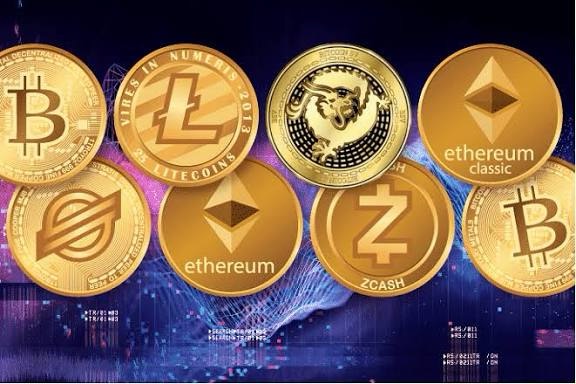
Eventually, the American dollar became dominant in the international market. Then currency also became a commodity. Its sale and purchase also started taking place. Its value started changing according to the laws of demand and supply. America then abrogated the gold standard. America can now print as many dollars as it wants and send it in the world. This led to the dreadful state of currency exchange. America is presently facing a debt figure which is 134% of its GDP. The increase in the online trade has lessened the need for currency notes. The change of figures taking place through digital medium creates the impression of wealth. Cryptocurrency is also here. Though all the countries have not given full statutory recognition to it but its prevalence is increasing. The word ‘crypto’ connotes that it’s not real. All this is not wealth because there is no real augmentation involved in it.
The antonym of Dhan in Sanskrit is Riṇa (Minus) which also means debt. A reduction can be conceived as Riṇa. Hence, debts are shown on the liability side in accounts. It is not accepted as an asset. Nowadays virtual wealth has also increased the prevalence of debts. The process of seeking loans is being made easy. It may apparently appear convenient but it engenders impoverishment and stress.
The reverence of Dhanalakshmi makes man productive. Augmentation of whatever resources a man possesses, can be conceptualised as the procurement of wealth. This appreciation in its value is possible through knowledge, skills, labour or dedicated service. These are the Dharmic (righteous) means of earning. This is the correct meaning of Dhan (wealth). Gambling does not augment one’s wealth, on the contrary, the earnings through these unrighteous means are detrimental.
Hence, let us worship Dhanalakshmi in the true sense. Let us add something in our efforts of augmenting our wealth. This indeed, is the path to peace and happiness.