
Eternal Development Model – 5
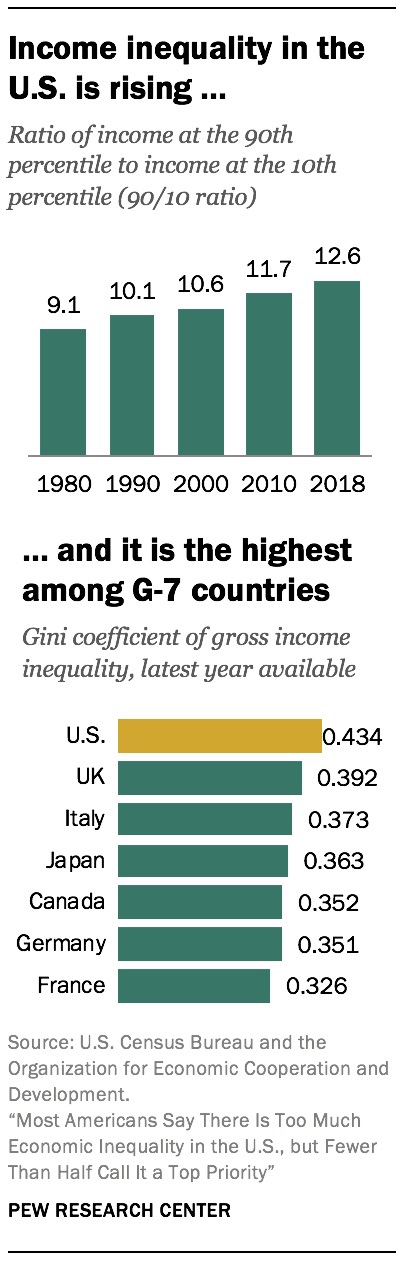
Growing economic inequality is the greatest challenge world over. Compared to the developing and underdeveloped countries, there is more inequality in the so called developed ones. According to the reputed research agency ‘Pew Research’, wealth of world’s 5% wealthiest persons increased manyfold even during global recession. The economic disparity between the haves and have nots is directly proportional to the development status of the nations. Higher the GDP, accentuated the inequality. Economists devoted to the present model of development suggest solutions based on only superficial factors. The IMF considers two main causes for this disparity. Technology, Globalisation and lack of advance skills at the international level and fiscal policy, liberalisation and labour laws at the domestic level are flagged as factors for growing economic inequality. There is unanimity on the ill effects of the gap between the affluent and poor. Increase in homelessness, hunger and unemployment along with growing violence, drug abuse and crime are all attributed to inequality. Many intellectuals are writing about this but the present economic model has no concrete solution.
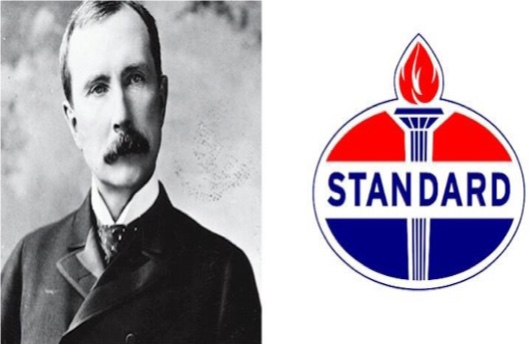
Targeting Monopoly is a natural consequence of competition, the cornerstone of the free market based Development Model. Profit being the parameter of development, efforts to maximise the same are always there. The Darwinian principles ‘Struggle for existence’ and ‘Survival of the fittest’ promote inequality as a natural consequence. Unbelievable, horrible examples are plenty to elaborate this clearly. It is believed that there are some 25-26 families in the world who conspire to use all means to ensure their monopoly by hook or crook. One such family is the Rockefellers. John de Rockefeller established Standard Oils in Yugabda 4972 (1870CE). All malpractices such as gobbling smaller players, alluring the agents, aggressive discounts etc. were used for monopoly in oil markets. Not just trade practices, but in many countries, policies were also influenced fraudulently. NGO in the name of Rockefeller Foundation is used to sponsor and influence research in academia, clinical tests on masses under the guise of social service, image building etc. for maintaining monopoly. This perverted example of western economic model is common history of almost all the powerful families and corporations. The success story of profit making of big corporate vehicle manufacturers like General Motors, Ford or Rolls Royce or FMCG giants Unilever, Colgate-Palmolive or Proctor & Gamble is the story of fraud, lies and exploitation. The commercial conspiracies of the corporates engaged in pharmaceutical and food industry are much more horrible, destructive and inhumane. As if the genocide by trade practices was not enough, most of these corporations have invested in the weapons industry also. This system founded on the principle of ‘Anything for Profit’ has promoted centralisation, a step ahead of monopoly. Last three decades starting from Yugabda 5097 (1995CE) has made this global.
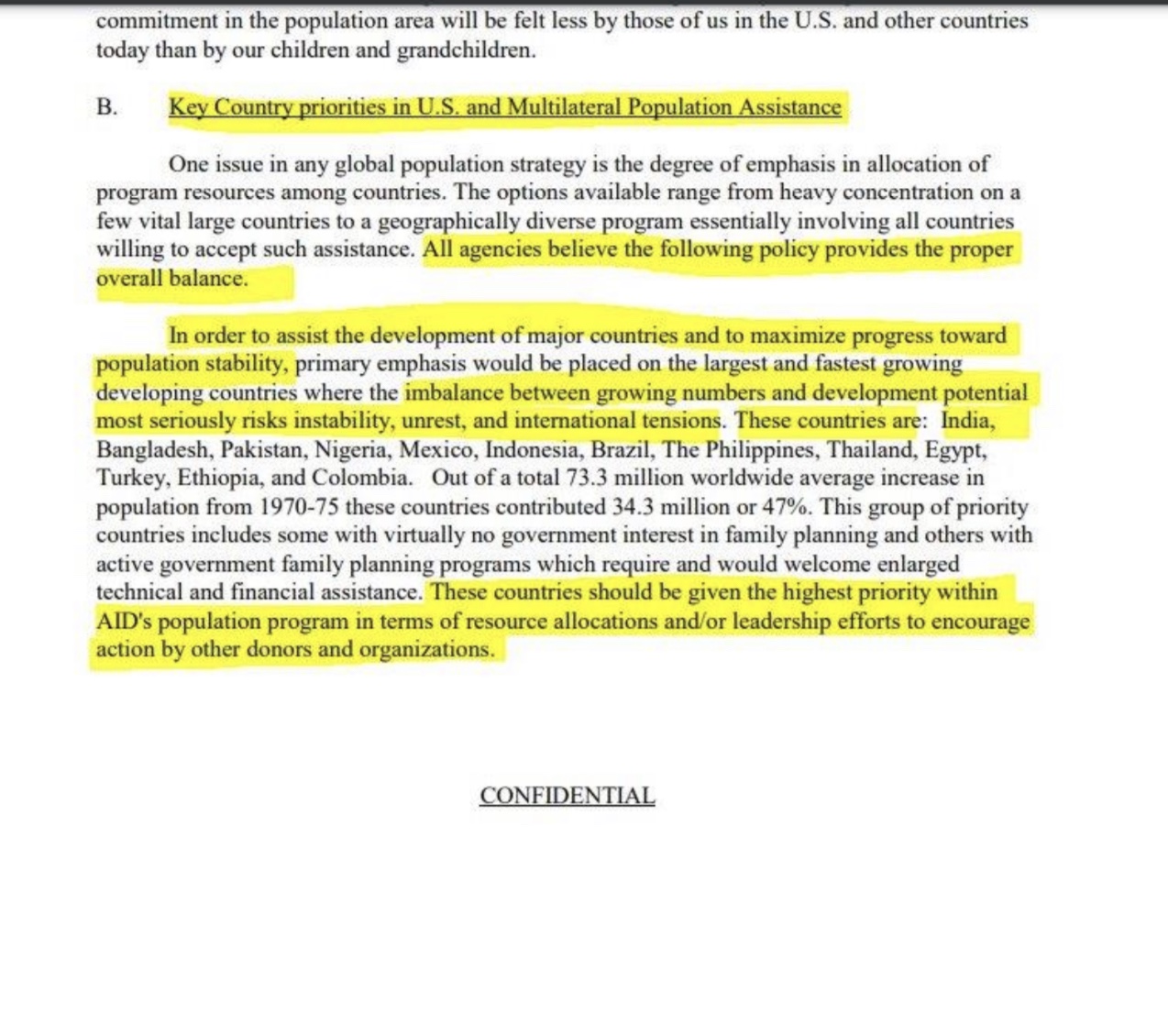
This monopolistic mindset has influenced diplomacy and geopolitics also. The second example is more terrifying than the first. Survival of the fittest got exaggerated in the politico-economic nationalism. Only fittest has the right to survive became the norm of the competitive development model. In the last two millennia starting from Yugabda 3102 (0000CE) with the so called birth of latest messenger of the jealous god mentioned in the Old Testament, concept of Racial superiority has been the basis of European invasion and colonisation of half the world. The horrifying genocide led by missionaries in four continents of North-South America, Africa and Australia was rationalised and justified by constructing frivolous logics such as ‘White man’s burden’, ‘Civilising the barbaric’. Hitler’s unimaginable atrocities on Jews in the Second World War were also based on the theory of superior race. The allied countries who called him villain and fought still promote the same mindset. Population growth as a hindrance in development looks very benevolent on the outside but the hidden agenda is the same as that of genocide of the so called lower races. Population control report by Henry Kissinger published in Yugabda 5076 (1974CE) elaborately enlists the ways in which population control should be enforced aggressively in the undeveloped countries like Bharat. The logic was same that use of natural resources by the lower races deprives the superior races, the whites from doing real development. Inspired by the international agencies, Bharatiya schools have been teaching that population is burden on Mother Earth. The aggressive implementation of family planning by the prime minister’s son Sanjay Gandhi during emergency in Yugabda 5077 (1975CE) was a result of this international design.
Centralised decision making is necessary for monopoly in commerce. Hence direct or indirect control of politics or policies has been an important tool of centralisation of global market forces. Most of the multinational organisations such as League of Nations established after First World War and United Nations Organisation (UNO) after the second, and World Bank and International Monetary Fund founded in Yugabda 5046 (1944CE) basically act as moral and diplomatic support to the monopolistic policies in global markets by the affluent families, corporations and countries. These fora have been misused to provide humanitarian angle to the wars started mostly with commercial self interests. After the collapse of USSR in Yugabda 5091 (1989CE), the bloated Self-Confidence of the western block resulted into formation of World Trade Organisation (WTO) in Yugabda 5097 (1995CE) with the declared mandate of creating a world market exposed the hidden agenda of these multinational organisations. General Agreement on Trade and Tariff (GATT) signed along with WTO was shameless declaration of international monopoly. This gave legal sanctions to the policy of economic inequality of nations. The signatories were forced to follow an international tariff in place of mutual trade treaties. This was openly biased towards the developed countries in the world trade. Countries like Bharat faced the ill effects very soon both in production and exports. A study indicates that after GATT, Bharat lost the leadership in many sectors such as textile manufacturing and exports. (http://gnanaganga.inflibnet.ac.in:8080/jspui/handle/123456789/1166) The textile industry at places like Surat, Ahmedabad, Nagpur, Solapur, Kanchipuram were hit adversely. Thus the inequality in nations was transferred to the people also. So called developed countries were also not immune to this spread of inequality through the monopolistic competition. The horrific effects of inequality have become evident there also. Decrease in purchasing power of a large section of population is one of the main causes of global recession.
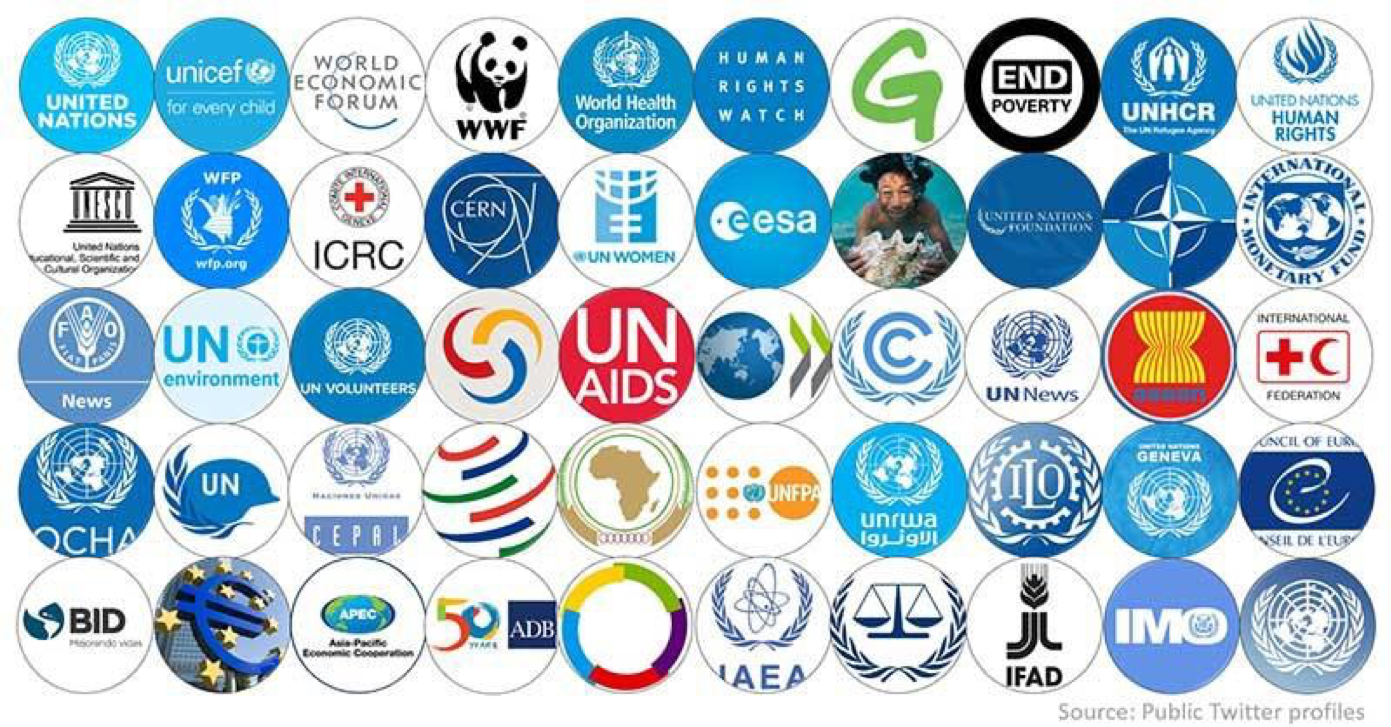
Centralisation for achieving monopoly is at the root of this. Big corporations started competing to control everything. For covering a large geographical area delegation of production and marketing is essential but decision making, financial control and process standardisation have seen increasing centralisation in the world economy today. George Ritzer in his book ‘McDonaldisation of society’ published in Yugabda 5097 (1995CE) theoretically glorified the centralisation process. Idolising the food chain McDonald’s he professed applying its four management principles, Efficiency, Calculability, Predictability and Control in the society also. All these four demand centralisation. Predictability promotes standardisation. Efficiency and calculability expects mechanical uniformity in place of creativity and innovation. Control denotes centralisation of decisions which is essential for commercial monopoly. This curbs all human liberty and diversity. Proposing the application of these principles in the society without considering the dangers involved is the result of materialism. Many commercial chain markets have evolved on these lines in last few decades all over the world. Actual operations are decentralised on franchise principles but at an exorbitant fees for process centralisation. Many chains have grown in the attraction of advertising glamour. But profit is basically proportional to the extent of exploitation. Hence those involved in actual labour or services get the least share. This causes more economic inequality.
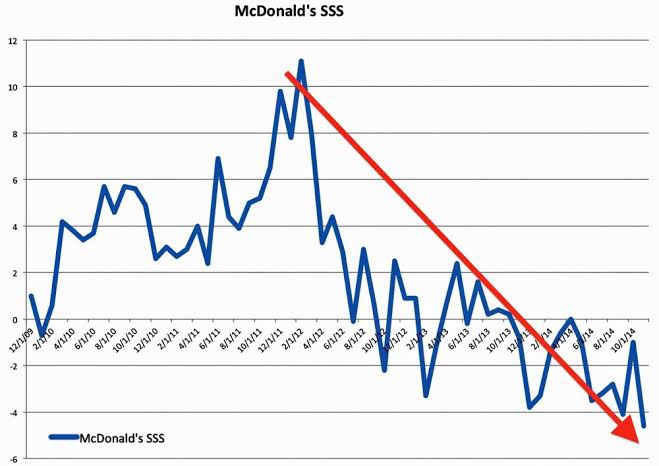

All these efforts aimed at profit enhancement have definitely resulted in monopoly and rise in corporate valuations but has real prosperity or progress been achieved? All the centralised trade chains including Walmart have failed miserably in lots of areas. The world’s largest food chain McDonald’s is recording fall in sales regularly. In Bharat also large centralised retail chains such as Big Bazar and Vishal Megamart are on the verge of insolvency. The root cause of these failures is ultra-centralisation. Human psychology is basically not conducive to any kind of centralisation. The increasing online trading on Internet is being blamed. But the conditions of big corporates in the food and agriculture sector, where online is very rare, is not different. Alert customer trusts the neighbourhood trader more and purchasing goods after proper fact-checking beyond glamorous advertising. On the other hand the success of aggregator app based service providers like Zomato, Swiggy, eatsure etc. in food sector and Ola, Uber, Rapido in transport is in the decentralised structure of the enterprise. There are a few exploitative practices creeping in these business models also, which need to be checked. But government supported collective enterprises like craftsvilla which provide an online platform to craftsmen and artisans for direct sales to the buyers are good contemporary examples of decentralised business model. This is little different from the cooperative model of Amul Dairy. It avoids the politics and legal manipulations yet engages a large number of self employed individuals.
Decentralisation is one of the fundamental principle of the Eternal Development Model based on the vaidic prayer ‘Sarve Bhavantu Sukhinah’, ensuring the development of all. There are great number of examples in Bharatiya History. A contemporary and area specific prosperous decentralised economy was evolved in various periods, in different areas, villages, cities or forest dwellings etc. in Bharat. Discussion of few such models with a view of its application in present times will be included in the next articles of this series.




Thought provoking article and must be understood by the stakeholders to search alternatives in Indian wisdom based on Gita-based Needonomics School of Thought . Prof.M.M.Goel, Former Vice-Chancellor and propounder Needonomics School of Thought, Kurukshetra
Decentralisation is explained well by giving present examples.
Can be initiate a discussion on this theme using the article as a base.